-
 Contact Us
-
 Re order
-
 Log in
-
 Cart 0
You have no items in your shopping cart.
Can You Write a Check From a Savings Account? The Rules
The rent is due, the contractor only takes checks, and your money is sitting in savings. You open the account and look for a checkbook, but there is none. It is a frustrating moment, and it leaves many people wondering whether a rule is stopping them.
This guide gives the plain answer, explains what the Federal Reserve changed in 2020, and shows quick ways to pay by check today. New to writing checks at all? Our walkthrough on filling out a check covers each line.
Quick Summary
Usually not directly. Most savings accounts do not come with checks, but some banks offer checks on certain savings or money market products. Whether you can is set by your bank's account agreement, and since April 2020 no federal rule limits savings withdrawals to six a month.
Key points
- It is a bank decision, not a federal ban. The Federal Reserve's Regulation D no longer contains the old six-per-month limit on "convenient" transfers.
- Banks can keep their own limits. The Fed says Regulation D neither requires nor prohibits fees for transfers beyond the old cap, and banks may keep or drop the limit.
- Money market accounts often offer checks. The CFPB says they usually cap the number of checks, debit purchases and electronic transfers.
- Checking is built for checks. The CFPB suggests using checking for everyday spending and savings for emergencies and occasional larger purchases.
- Do not improvise with a savings account number. If your bank has not enabled checks on that account, ask it for a supported option first.
- You still have options today. A transfer to checking, a cashier's check or a bank-issued check payable to you can solve it.
| Account type | Checks usually available? | Typical limits | Insurance or protection |
|---|---|---|---|
| Checking (demand deposit) | Yes | Built for frequent use | FDIC or NCUA insured |
| NOW account | Yes. Works like checking and pays interest | Rules set by the bank | FDIC or NCUA insured |
| Savings | Usually no | Banks may cap monthly withdrawals and charge fees | FDIC or NCUA insured |
| Money market account (bank) | Sometimes | Usually caps checks, debit purchases and transfers | FDIC or NCUA insured, up to $250,000 per owner or group |
| Money market mutual fund | Sometimes | Set by the fund company | An investment, not a bank account. SIPC rather than FDIC |
Table 1. Which account types usually offer checks, based on CFPB and FDIC pages. Your bank's agreement is the final word.
Need printed checks for a business account? Contact the Checkomatic team and we will help you pick a format.
What is in this guide
- Can you write a check from a savings account?
- What did Regulation D change in 2020?
- Which accounts let you write checks?
- How can you pay by check when your money is in savings?
- Is it safe to use a savings account number on a check?
- What should you look for in your account agreement?
- What should a small business know?
- Frequently asked questions
- More questions about savings and checks
Can You Write a Check From a Savings Account?
Only if your bank has set that account up for checks. Most banks issue checks with checking accounts, and some offer them with money market accounts or special savings products. Ask your bank, or read the account agreement, before you write anything.
Why do most savings accounts not come with checks?
Because savings accounts are designed for storing money, not for frequent payments. The CFPB explains that banks and credit unions can cap monthly withdrawals and transfers from savings and charge fees for going over. It suggests checking for everyday spending and savings for emergencies and larger occasional purchases.
Is there a federal law that bans checks on savings?
No current federal rule bans it. Some websites say federal law prohibits it, but the current Regulation D definition of a savings deposit has no six-transfer limit, and the 2020 change is covered below. What you can do depends on the product your bank designed.
What Did Regulation D Change in 2020?
It removed the limit of six convenient transfers a month on savings deposits. On April 24, 2020, the Federal Reserve Board announced an interim final rule that deleted the limit. It said its cut of reserve requirement ratios to zero made the old line between savings and transaction accounts unnecessary. It also noted that the pandemic had made access to funds more urgent.
| Period | What Regulation D said about savings | Effect on checks |
|---|---|---|
| Before April 24, 2020 | A savings deposit could have no more than six convenient transfers a month | Checks and similar orders payable to third parties counted toward the six |
| From April 24, 2020 | The six-transfer limit was deleted | Federal law no longer caps the number. Banks decide what to allow |
| Today | The current text has no six-transfer limit | Your account agreement sets limits and fees |
Table 2. Before and after the Federal Reserve's April 2020 interim final rule. Sources: Federal Reserve press release (April 24, 2020) and the Federal Register notice (85 FR 23445).
Do banks still limit savings withdrawals?
Many do. The Federal Reserve FAQ (updated May 13, 2020) says banks do not have to stop enforcing the limit, and that Regulation D neither requires nor prohibits fees for transfers beyond the old cap. A 2021 Fed compliance letter reminds banks that Regulation DD still requires them to disclose fees and transaction limits when the account opens, and to give notice at least 30 days before an adverse change.
What is an example of a bank that still has a cap?
Ally Bank's help page lists 10 limited withdrawals and transfers per statement cycle for savings and money market accounts. For money market accounts it says checks count toward that limit. For savings, it says you can call and ask for a check payable to yourself, and it lists that as an unlimited transaction. The page is undated, so check your own bank's current terms.
Which Accounts Let You Write Checks?
Checking accounts are the standard choice, and a few other products can also offer checks. Table 1 shows the comparison at a glance. The details below explain the main ones.
Can you write checks from a money market account?
Often yes, within limits. The CFPB says a money market account at a bank or credit union is insured by the FDIC or NCUA up to $250,000 per owner or group of owners, and usually caps the checks, debit card purchases and electronic transfers you can make. Some also require a minimum deposit. See how checks differ from electronic payments.
Is a money market mutual fund the same thing?
No. The CFPB says a money market mutual fund account is an investment, not a savings or checking account, even if it lets you write checks. It follows different rules from banks, and if a brokerage fails the CFPB directs you to the Securities Investor Protection Corporation (SIPC) for coverage information.
What is a NOW account?
It is a checking-type account that pays interest. The CFPB says a NOW account works like a checking account but pays interest on your balance, and that a demand deposit account is another name for a checking account. If you want checks plus interest, ask your bank about interest-bearing checking.
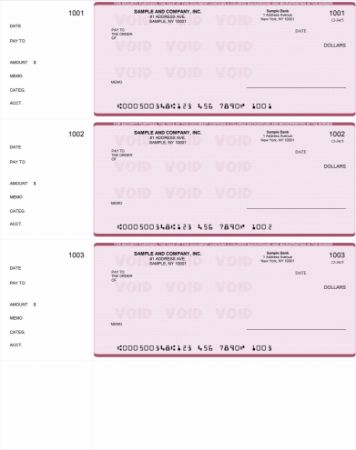
How Can You Pay by Check When Your Money Is in Savings?
Move the money, or ask your bank to issue the check for you. Each route has a different speed, so pick the one that matches your deadline.
- Read your account agreement. If checks are available on the account, order or request them.
- Transfer money to checking. Then write the check from checking. Our guide to check registers helps you record it.
- Ask for a check payable to you. Some banks, such as Ally for its savings accounts, will issue a check made out to you on request. Deposit it where you need it.
- Buy a cashier's check. Your bank issues it and stands behind it. See what a cashier's check is.
- Pay another way. If the payee accepts cards or transfers, use them. Compare the options in check versus ACH payment.
| Option | Speed | Main trade-off |
|---|---|---|
| Transfer to checking, then write a check | Same bank is usually quick. Another bank takes longer | Check for transfer limits on your savings account |
| Check payable to you from the bank | Depends on mail or pickup | Offered by some banks only |
| Cashier's check | Same day at a branch | Fees vary by bank |
| Card or electronic payment | Fast | The payee must accept it |
Table 3. Ways to pay by check when your money is in savings. No fee amounts are shown because banks differ.
Is It Safe to Use a Savings Account Number on a Check?
Do not do it unless your bank has set up that account to pay checks. A check carries your routing and account numbers, and the CFPB warns that a demand draft can be created from account and routing numbers without a signature, so share them with care. The CFPB page speaks about checking accounts, but the same caution is wise for any account number.
Read more in our guides to check validity and voided checks, which explain what to share and with whom.
What Should You Look for in Your Account Agreement?
- Check-writing section. It says whether checks are available on that account.
- Monthly limits. Look for the number of withdrawals or transfers allowed per statement cycle.
- Excess fees. Find out what you pay for going over.
- Minimum balance. Many accounts charge fees below a set balance.
- Closure language. Some banks may close an account that exceeds limits more than occasionally.
- Change notices. Regulation DD requires notice at least 30 days before an adverse change.
What Should a Small Business Know?
Use a business checking account for printed checks, and keep reserves in savings. Printed business checks work only on an account your bank has set up to pay them, so confirm that before you order. When you do, our guide to checkbook management explains how to keep control of the account that pays your checks.
- Keep operating cash in checking. This avoids transfer limits and delays when a vendor needs payment.
- Move reserves in planned amounts. One monthly transfer is easier to record than many small ones.
- Order checks for the account that will pay them. The bank details printed on each check must match that account.
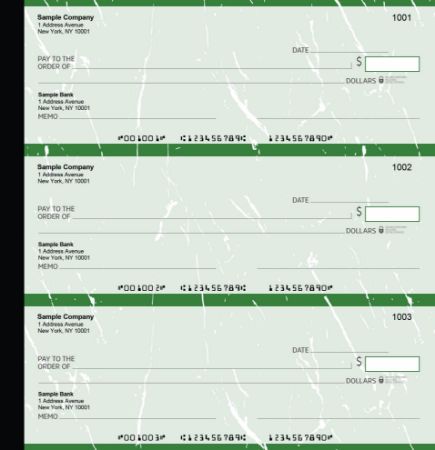
Printed for the account that pays them
Your bank details, correctly placed. Routing and account numbers are encoded where the bank reads them. See business checks.
Formats for how you work. Wallet, deskbook and 3-on-a-page layouts fit different volumes of check writing.
Approve a proof. A digital proof lets you check every bank detail before printing begins.
Security features included. ABA compliant stock helps your bank recognize and process your checks.
About the Author
The Checkomatic team put this guide together to help people who need to pay by check and are not sure which account to use. The rules come from the Federal Reserve's April 2020 announcement and FAQ, the Federal Register notice, a 2021 Federal Reserve compliance letter, and CFPB pages on money market, checking, NOW and savings accounts.
General information only, not financial or legal advice. Account terms, fees and limits differ by bank and change over time. Read your own account agreement or ask your bank.
Frequently Asked Questions
Can you write a check from a savings account?
Why can't I write checks from my savings account?
Did the Federal Reserve remove the six-withdrawal limit?
Can my bank still charge fees for too many savings withdrawals?
Can you write checks from a money market account?
Can I get a check payable to myself from savings?
Can I get a cashier's check from a savings account?
What is the difference between checking and savings?
Is a NOW account the same as a checking account?
Should a business keep cash in savings?
Accepted by the world’s leading banks