-
 Contact Us
-
 Re order
-
 Log in
-
 Cart 0
You have no items in your shopping cart.
How to Get a Copy of a Cancelled Check (Front and Back)
You need proof that a payment went through. Maybe an accountant is asking, a vendor says the money never arrived, or a lender wants a record. The paper check went to someone else, and your statement shows only a line of text.
This guide shows where to ask for a copy of a cancelled check, how to get the front and back, and which rules support your request. It also gives you a table that matches the copy to the purpose, plus a request checklist you can use today.
Quick Summary
A copy of a cancelled check, also spelled canceled, is normally a picture of both sides of a check your bank has already paid. Start in online banking or your app, then phone or visit a branch if the image is missing. Ask for both sides, in a file you can save, and say what you need it for.
Key points
- Ask for the front and back. The back shows the endorsement, which is often the part a dispute turns on.
- You have a right to ask. The model UCC says a customer may request an item from the bank that paid it.
- Paper checks may not come back. The CFPB says banks are generally not required by law to return them.
- Fees and speed vary. Federal guidance for national banks says a fee is allowed and the wait must be reasonable.
- Match the copy to the job. Taxes, audits and fraud claims do not all need the same document.
- Keep your own file. See the guide to a check register for a record that does not depend on the bank.
| What you want to know | Answer | Basis |
|---|---|---|
| Can I ask my bank for a copy? | Yes | UCC 4-406(b) |
| Can I get both sides? | Ask for both | Regulation CC definition of a sufficient copy, 12 CFR 229.2 |
| Must the bank mail my paper checks? | Generally no | CFPB |
| Can the bank charge? | Often, and some states limit it | OCC and CFPB |
Table 1. Quick answers on copies of paid checks, for general information only.
Tired of chasing bank images? Talk to the Checkomatic team about business checks with stubs for noting what each check was for.
Where to go next
- How do you get a copy of a cancelled check?
- Can you get the front and back of a cashed check?
- Does your bank have to give you a copy?
- Which copy should you request for taxes, audits and disputes?
- What should your request include?
- What if your bank no longer sends cancelled checks?
- What if the account is joint, or the check became an electronic debit?
- How should a business keep and find check images?
- Frequently asked questions
How Do You Get a Copy of a Cancelled Check?
Ask the bank that paid the check, because it holds the image. The usual routes are online banking, a mobile app, a phone call, a branch visit or a written request. Try the fastest route first.
Can you pull a check image from online banking or an app?
Often, yes. Look for a link on the transaction line in your statement or activity list, or a section for check images or documents. Save the image as a file named with the check number and date.
What if you have to ask by phone, branch or mail?
Say you need a legible copy of a paid check, front and back, and give the details from the checklist later in this guide. Ask how the bank will deliver it and whether there is a fee before you agree.
| Route | Best for | Have ready |
|---|---|---|
| Online banking or app | A quick image of a recent check | Your login and the statement line |
| Phone call | An older check, or one you cannot find online | Check number, amount, date, payee |
| Branch visit | A printed copy | Photo identification, if the bank asks |
| Written request | A dated record that you asked | The same details, signed as the bank requires |
Table 2. Four ways to ask for a copy and what to bring.
Can You Get the Front and Back of a Cashed Check?
Yes, and you should ask for both sides every time. The front shows the payee, amount, date and signature. The back shows the endorsement and any deposit stamps, which can show who took the money.
Federal recordkeeping rules for financial institutions also speak of keeping copies of the front and back of retained instruments, with blank backs excepted (31 CFR 1010.430). That rule covers what the institution must keep, not what a customer may demand.
Is a check image accepted as proof of payment?
The IRS lists canceled checks, or other documents reflecting proof of payment, among the records to keep. Whether an image is accepted depends on who asks, so ask lenders and auditors which format they want.
What is a substitute check, and is it as good as the original?
A substitute check is a special paper copy of a check. Under 12 CFR 229.51 it can be the legal equivalent of the original if it accurately shows the front and back and carries the required legend. The Check 21 Act guide has the rest.
Does Your Bank Have to Give You a Copy?
On request, yes in most cases, but the rules are spread across state law, federal guidance and your account agreement. Our research found no federal rule setting a fee amount or a fixed deadline. A clear written request helps.
What do UCC 4-406 and the OCC say?
Under UCC 4-406(a), a bank returns or makes available the items it paid, or gives statement details that let you identify them. Under 4-406(b), a customer may request an item, and the bank supplies the item or a legible copy in a reasonable time. The Comptroller of the Currency (OCC) says much the same for national banks, with a reasonable period and a possible fee. Each state adopts its own version of the UCC, so ask your bank which rules it follows.
National banks that do not return checks must keep them or copies for five years, with exceptions that can include small or payroll-type items, and the CFPB says state laws generally require seven, so a personal file in a check register still matters.
Can the bank charge for a copy?
Often it can. The OCC page says a bank may charge a fee, and the CFPB notes that some states limit fees for check images. We give no amounts because they differ by bank and account. Ask for the fee before you place the request, and ask whether the same image is free in online banking.
How long should it take?
The OCC says a reasonable period and UCC 4-406 says a reasonable time. Neither names a deadline, so ask for an expected delivery date and follow up once it passes.
Which Copy Should You Request for Taxes, Audits and Disputes?
It depends on who is asking and why. A tax preparer needs proof of payment, a vendor dispute needs the endorsement, and a fraud claim needs a copy clear enough to judge. The table pairs each purpose with the copy to ask for and the rule behind it.
| Purpose | What to ask for | Rule or source behind it |
|---|---|---|
| Tax proof of payment | Statement line plus a front and back image | IRS list of records to keep, which names canceled checks |
| Vendor says it was never paid | Front and back image showing the endorsement | UCC 4-406(b), customer may request an item |
| Audit file | Front and back images as PDF files, grouped by month | IRS record guidance, plus your own register |
| Fraud or altered check claim | A copy that accurately shows both sides and is sufficient to judge the claim | Regulation CC, "sufficient copy" in 12 CFR 229.2 |
| Loan or lease application | Statement plus image, or whatever the lender names | No rule; ask the lender what it accepts |
Table 3. Which copy to request, by purpose. Source types: IRS guidance, UCC 4-406 and Regulation CC.
How long does the IRS expect you to keep these records?
The general IRS rule is to hold records for 3 years, with longer periods in some cases, such as 6 years when over 25 percent of gross income went unreported. The guidance was reviewed in 2026. Good habits in checkbook management keep your file complete before an audit starts.
What if a paid check looks changed?
Request the front and back copy and compare the payee, amount and endorsement with your records. Report anything wrong promptly, because the UCC ties your rights to how quickly you speak up. Our check washing guide explains the reporting duty, and check fraud prevention covers the habits that catch problems early.
What Should Your Request Include?
A short, complete request is processed faster than a vague one. Gather these details before you call or write, and keep a copy of what you send.
- Check number. Take it from your register or statement.
- Date paid and amount. Use the statement line.
- Payee name. Spell it as written on the check.
- Account. Give the last four digits, not the full number, in any email.
- Proof of who you are, if the bank asks. A business account's bank may want an authorized signer to make the request.
- Both sides. Say "front and back" in the request.
- A file format. Ask for a PDF you can save and forward.
- Your reason. Say whether it is for taxes, an audit, a dispute or a loan.
- Your own note. Record the date you asked and who you spoke with.
If the bank cannot find the check, give it the amount and a date range, and ask it to search by both.
What If Your Bank No Longer Sends Cancelled Checks?
That is normal, and it is allowed. The CFPB says banks are generally not required by law to return cancelled checks, and its Ask page was reviewed in August 2024. Some banks offer images online instead, so ask yours.
What do you get instead of paper?
You may get an image statement, which lists check images, or you may need to look up each image. Ask your bank which it offers and whether images stay online for a limited time. Download what you need.
How do you build your own paper trail?
Record each check as you write it, then save the image after it clears. For what to record, see how to write a business check.
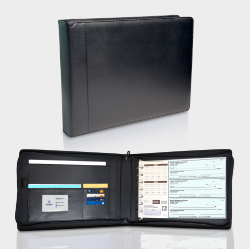
What If the Account Is Joint, or the Check Became an Electronic Debit?
Both cases change who can ask and where to look.
Can you get a copy on a joint or business account?
Rules on this vary, so ask whether each joint owner may request a copy. A business account's bank may ask for an authorized signer.
What if the check was turned into an electronic payment?
Then there may be no check image to request. Read how a check can be converted in can a check be converted to ACH, and use your bank's debit record instead. A remotely created check is another case where the paper trail looks different.
How Should a Business Keep and Find Check Images?
Treat check images as part of your month-end close. Download them when the statement posts, name them consistently, and store them where your bookkeeper can reach them.
What is a simple monthly routine?
- Reconcile the statement. Match each cleared check to your register.
- Save the images. Use a folder per month and a name like "2026-10 check 1042".
- Flag exceptions. Mark any check you do not recognize and ask for the front and back copy.
- Back up the folder. Keep a second copy somewhere separate.
Can positive pay and bank tools reduce the need to ask?
They can reduce surprises. With positive pay, your bank compares each presented check with a list you send, so a mismatched payee or amount stands out before it is paid. If you are the payee, see how to deposit a business check and keep your own deposit record, and browse business checks with a stub for notes.
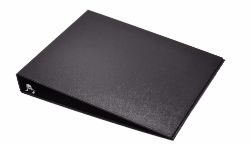
Keep the proof close to hand
Use the stub. On checks that have one, note the invoice number and purpose before you tear off the check.
Binders for paid copies. A binder or folder keeps images and statements by month.
Software-ready checks. Computer checks work with common printing software.
A person to ask. Our team can help you choose a setup that suits your records.
About the Author
Compiled by the editorial desk at Checkomatic for anyone chasing proof of payment without a runaround. Sources include UCC 4-406, the OCC consumer page on statements and cancelled checks, a CFPB consumer answer, Regulation CC sections 229.2 and 229.51, the federal recordkeeping rule at 31 CFR 1010.430, and IRS guidance on business records.
Educational overview only, not legal advice. State versions of the UCC differ, and each bank or credit union has its own copy procedures and fees, so check with your bank or an attorney.
Frequently Asked Questions
Is a cancelled check the same as a returned check?
How do I get a copy of a check I wrote years ago?
Will a bank give me a copy of a check I deposited?
Can I get a copy of a check that was deposited at another bank?
What if the bank cannot find the check?
Is a voided check the same as a cancelled check?
Can I send a check image to my accountant by email?
How can I stop a check I now think is a mistake?
Does the order in which checks are paid matter for copies?
Do I need the original check, or is a copy enough?
Accepted by the world’s leading banks